
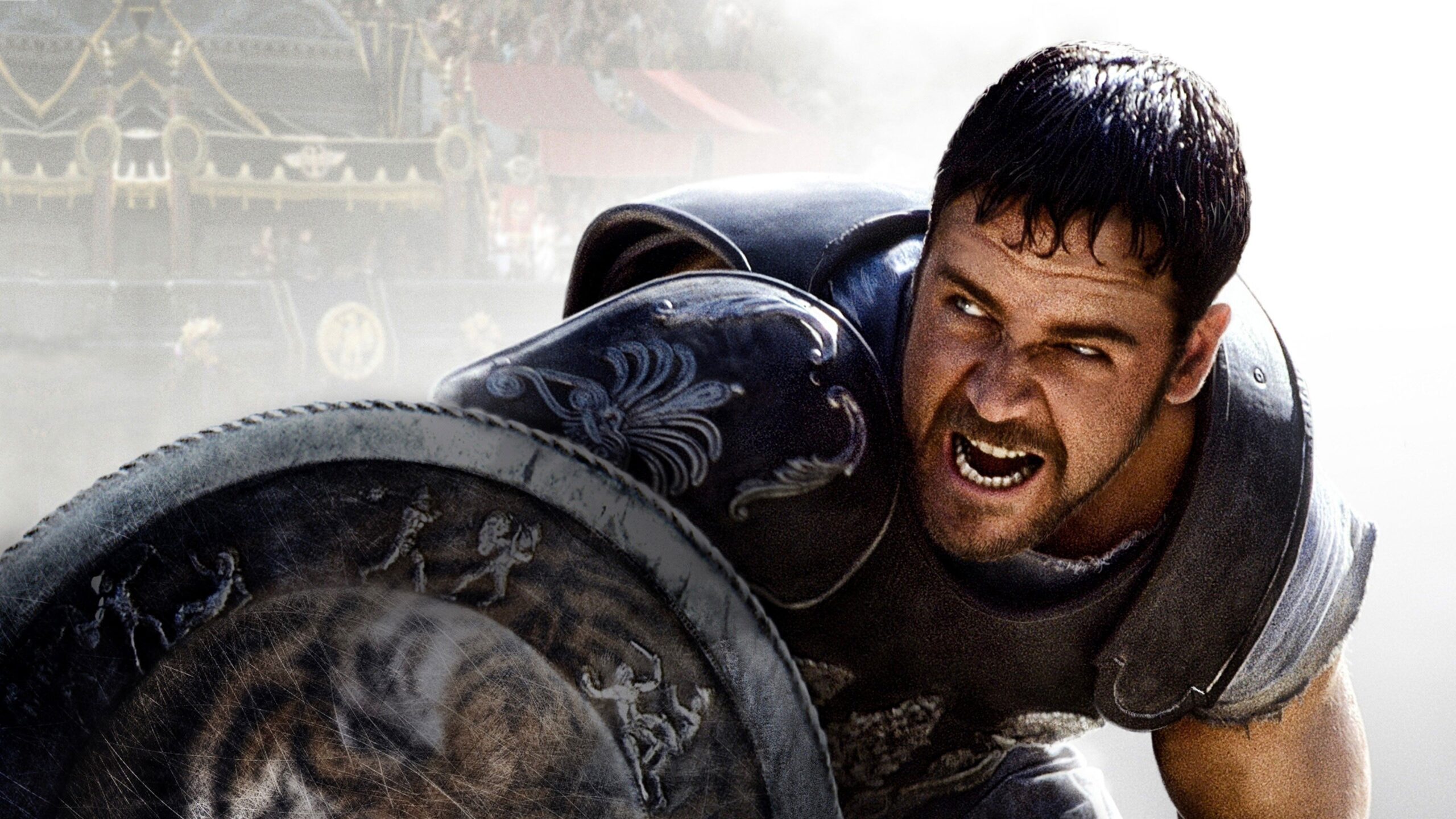
The film “Gladiator,” directed by Ridley Scott, offers a magnificent blend of epic storytelling, emotional depth, and riveting performances. Set in ancient Rome, the movie captivates audiences with its portrayal of Maximus Decimus Meridius, a general-turned-gladiator navigating a world of power, betrayal, and vengeance. Beyond its stunning visuals and gripping plot, the film brims with memorable quotes that resonate with audiences, often reflecting themes of honor, strength, and the human condition. In this list, we will present to you the top 10 best quotes from “Gladiator” that encapsulate its essence and inspire us all to reflect on our lives and choices.
Let us now delve into the iconic lines that have left an indelible mark on our collective consciousness:
“What we do in life echoes in eternity.”
In this profound statement, Maximus emphasizes the lasting impact of our actions. We may ponder the significance of our choices, understanding that they shape not only our own destinies but also those of others. It invites introspection about how we wish to be remembered long after we have departed from this world.
“I am no mere man, I am a general.”
This line reflects Maximus’s unwavering identity and his longing for purpose. As you watch the transformation from a revered general to a gladiator, you feel the weight of ambition and honor in his words. It reminds us that even in the face of adversity, one’s true essence cannot be diminished.
“Are you not entertained?”
This provocative question, posed in the heat of gladiatorial combat, beckons to the audience’s complicity in violence as entertainment. It challenges you to consider your consumption of media and the ethical implications of entertainment derived from suffering. His tone, laced with sarcasm, prompts a reflection on our societal values.
“The time for honoring yourself will soon be at an end.”
Here, we encounter a powerful reminder of the fleeting nature of life and honor. When spoken, it serves as a poignant warning that self-aggrandizement is ultimately fruitless. Rather, it urges one to behave with integrity before the ultimate reckoning comes. The reality of mortality imbues this line with gravitas.
“I will have my vengeance, in this life or the next.”
Maximus’s relentless quest for revenge against Commodus embodies the deep-rooted human desire for justice. This line resonates with anyone who has ever felt wronged or betrayed. It compels us to think about the lengths we would go to reclaim our integrity and honor, serving as a testament to resilience and determination.
“The color of the sky is the same wherever you go.”
This reflection on uniformity serves as a metaphor for human experience. It reminds you that despite our differences, we all share similar emotions and experiences. There’s a certain comfort in realizing that beauty exists everywhere, regardless of our circumstances, urging us to find solace in our shared humanity.
“You are not my father.”
In confronting Commodus, Maximus asserts his autonomy and denounces false authority. This line is laden with emotional weight, exemplifying the struggle against manipulative power. It encourages you to question the authenticity of relationships and to stand firm in one’s identity amidst external pressures.
“What is your name?”
This deceptively simple query holds tremendous significance. It serves as a call to identity and legacy, reinforcing the importance of knowing who you are. In a world where one’s purpose can become obscured, this prompt pushes you to reflect on your own name and what it signifies in the grand tapestry of life.
“A soldier’s heart is a lonely heart.”
Maximus captures the essence of solitude experienced by warriors, stirring empathy within us. The sacrifices made in pursuit of duty often come at the expense of personal connections. This line reverberates through your consciousness, invoking a sense of shared melancholy for those who bear the burdens of responsibility alone.
“I do not wish to amuse you.”
By rejecting the notion of being a mere spectacle, Maximus conveys authenticity in an artificial world. This quote challenges you to ask whether you genuinely engage with life or merely play a role for others’ entertainment. It beckons a rise above superficiality and to live with purpose.
In conclusion, the power of dialogue in “Gladiator” transcends mere words; it encapsulates profound truths about existence, honor, and the undying human spirit. As we reflect on these quotes, we embrace their wisdom and the lessons they impart. From the realms of revenge to the significance of our choices, each line enriches our understanding of ourselves and the world around us. Next time you watch this cinematic masterpiece, consider these quotes and let them resonate deep within your heart, shaping your narrative as you journey through life.