
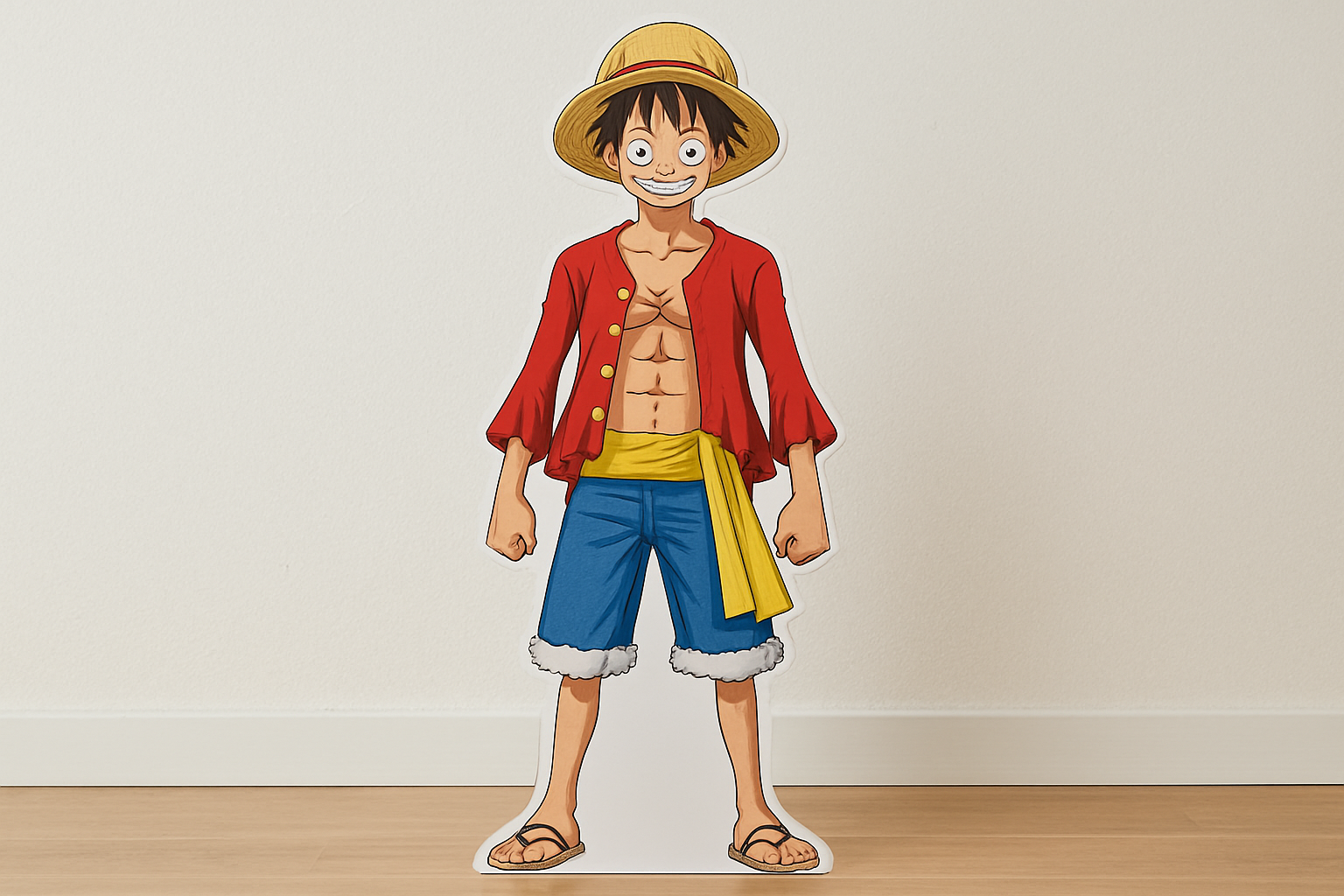
Naruto Uzumaki is one of the most enduring figures in modern anime and manga, a character whose age—though often discussed by fans—serves as a practical guide to his development, relationships, and the world around him. Understanding how old Naruto is at different points in his story helps readers and viewers track his growth, his responsibilities, and the changing dynamics of the Konoha village he calls home. This article breaks down Naruto’s age across key phases, explains how aging is treated in the story’s timeline, and clarifies common points of confusion that tend to pop up in fan discussions.
How the aging thread runs through the Naruto saga
Naruto’s age is not a single, static detail but a thread that ties together character development, plot momentum, and the broader meta-narrative of the series. While the exact numbers can vary slightly depending on whether you follow the manga, the anime adaptation, or supplementary materials, the core progression remains consistent: Naruto starts as a pre-teen, grows into a teenager during a major interlude, moves into early adulthood as a seasoned ninja with heavy burdens, and then steps into a leadership role alongside a new generation.
In practical terms, Naruto’s age functions as a reference point for his abilities, his training, and his relationships. Friends, rivals, and mentors all react to him in light of his stage of life, and the world itself evolves to reflect a character who has moved from the fringes of village life into a central, stabilizing force. The shifts in age also align with shifts in tone: a younger Naruto often confronts coming-of-age anxieties, while an older Naruto grapples with responsibilities that affect the entire shinobi world.
Canonical age milestones across major arcs
– Early training and kitten-steps years: At the outset of his formal adventures, Naruto is a young, ambitious student with a lot to prove. His early years are marked by stubborn perseverance, frequent mischief, and a developing sense of duty. While the details are playful and energetic, this phase also establishes the core of Naruto’s resilience and his commitment to earning the village’s recognition.
– The crucial growth phase during a prolonged mission arc: As Naruto advances, he enters a period that blends intense training with real danger. The stakes grow, and so does his maturity. This phase is often used by writers to illustrate how experience compounds, how failure informs growth, and how Naruto begins to see beyond his personal goals to a broader village-wide responsibility.
– Maturation into a young adult: Moving into the later chapters of his primary journey, Naruto’s character is defined by confidence earned through trials, mastery of core techniques, and a nuanced understanding of destiny and choice. This maturity is not just about power; it’s about leadership, trust, and making hard calls for the greater good.
– Transition to a leadership figure with a family man’s priorities: In the more forward-looking portion of the saga, Naruto embodies the balance between personal life and public duty. His age reflects a shift from chasing dreams to guiding others to realize theirs, including the next generation of shinobi and the village’s evolving safety and prosperity.
Understanding the age at critical turning points
– Early challenges versus long-term goals: When Naruto is younger, his goals are intensely personal—recognition, friendships, and proving his worth. As he ages, those private ambitions give way to public responsibilities, including protecting the village and mentoring younger comrades. This arc embodies a common storytelling arc: from self-centered ambition to selfless leadership.
– Experience shaping power and strategy: With each season of growth, Naruto’s strategic thinking and power repertoire expand. Age becomes a proxy for the accumulation of lessons learned through setbacks, defeats, and triumphs. His ability to anticipate threats and coordinate with allies often tracks with his evolving maturity.
– Relationships as an age-lense: The nature of Naruto’s bonds—teammates, mentors, rivals, and later, family—reflects his journey from a solitary, sometimes reckless youth to a figure whose decisions ripple outward. The depth and texture of these relationships deepen as Naruto ages, underscoring how time alters trust, responsibility, and aspiration.
Age-specific nuances you may encounter in guides and fan discussions
– Numerically precise ages can vary slightly depending on source material or the calculation method used by fans. It’s common to see a range of numbers cited for particular moments, especially when reconciling differences between manga pacing and anime adaptation episodes. In practice, most fans agree on the general progression: Naruto begins his story in his early teens and grows into an older teenager and beyond, with a shift into early adulthood in later chapters.
– The passage of time within the narrative world is sometimes compressed or expanded for dramatic effect. The timeline is designed to keep the audience engaged, not to function as a strict calendar. Consequently, some years or ages can appear to jump ahead in ways that serve the emotional and thematic aims of a given arc.
– The legacy lens: As Naruto ages, the emphasis often moves from his personal journey to his influence on the village and on younger ninja. This shift is reflected in how other characters react to him and how his story is framed within a larger, multi-generational tapestry.
What to watch for in different media
– Manga versus anime pacing: The manga tends to present a tighter timeline, whereas the anime, with its pacing and fillers, may feel like it stretches or compresses moments of Naruto’s life. When watching or reading across formats, the core age trajectory remains recognizable, even if some scenes are extended for episodic purposes.
– Spin-offs and legacy materials: Additional materials—whether companion books, databooks, or spin-off stories—often reiterate the same age milestones in a way that reinforces the central arc. They might offer extra perspectives on how Naruto’s age influenced his decisions in particular moments or relationships.
– How age informs combat and strategy: Younger Naruto focuses on improvisation and raw energy, while older iterations show refined technique, strategic planning, and a broader understanding of the ninja world’s dynamics. This evolution mirrors the natural arc of aging in a high-stakes profession.
A practical takeaway: why Naruto’s age matters for readers and fans
– It helps anchor character development: Knowing where Naruto stands age-wise clarifies why certain choices are natural or surprising. It also explains shifts in tone—from impulsive, high-energy quests to considered leadership and mentorship.
– It clarifies relationships and power dynamics: Age interacts with hierarchy, loyalty, and trust. As Naruto ages, his standing among peers and teachers changes, which in turn shapes the kinds of alliances he forms and the burdens he bears.
– It enhances world-building consistency: A coherent aging framework ensures the story’s world feels lived-in. It supports plausible progression in power, responsibility, and societal impact, rather than feeling like a static backdrop for action.
Conclusion: Naruto’s age as a compass for a lifelong journey
Naruto’s age is more than a numeric detail; it’s a compass that marks his growth, the world’s challenges, and the evolution of his relationships. From a determined, impulsive beginner to a seasoned, far-seeing leader, his journey illustrates how time shapes purpose, skill, and the capacity to inspire others. Whether you’re revisiting iconic scenes or tracing the timeline for a deeper understanding, keeping Naruto’s age in mind helps you appreciate the nuances of his decisions, the stakes of the shinobi world, and the enduring appeal of a character who grows up in plain sight.
If you’re curious about specific moments and how fans interpret Naruto’s age in those scenes, draw connections between his mindset, the nature of his training, and the responsibilities he takes on. That approach not only clarifies the character’s arc but also enriches the experience of watching or reading the saga as a continuous, evolving story rather than a sequence of isolated episodes.
How Tall Is Luffy? shares a focus on iconic characters whose physical design deepens their storytelling, offering a complementary look at how age and height influence presence and perception within popular shonen worlds.