
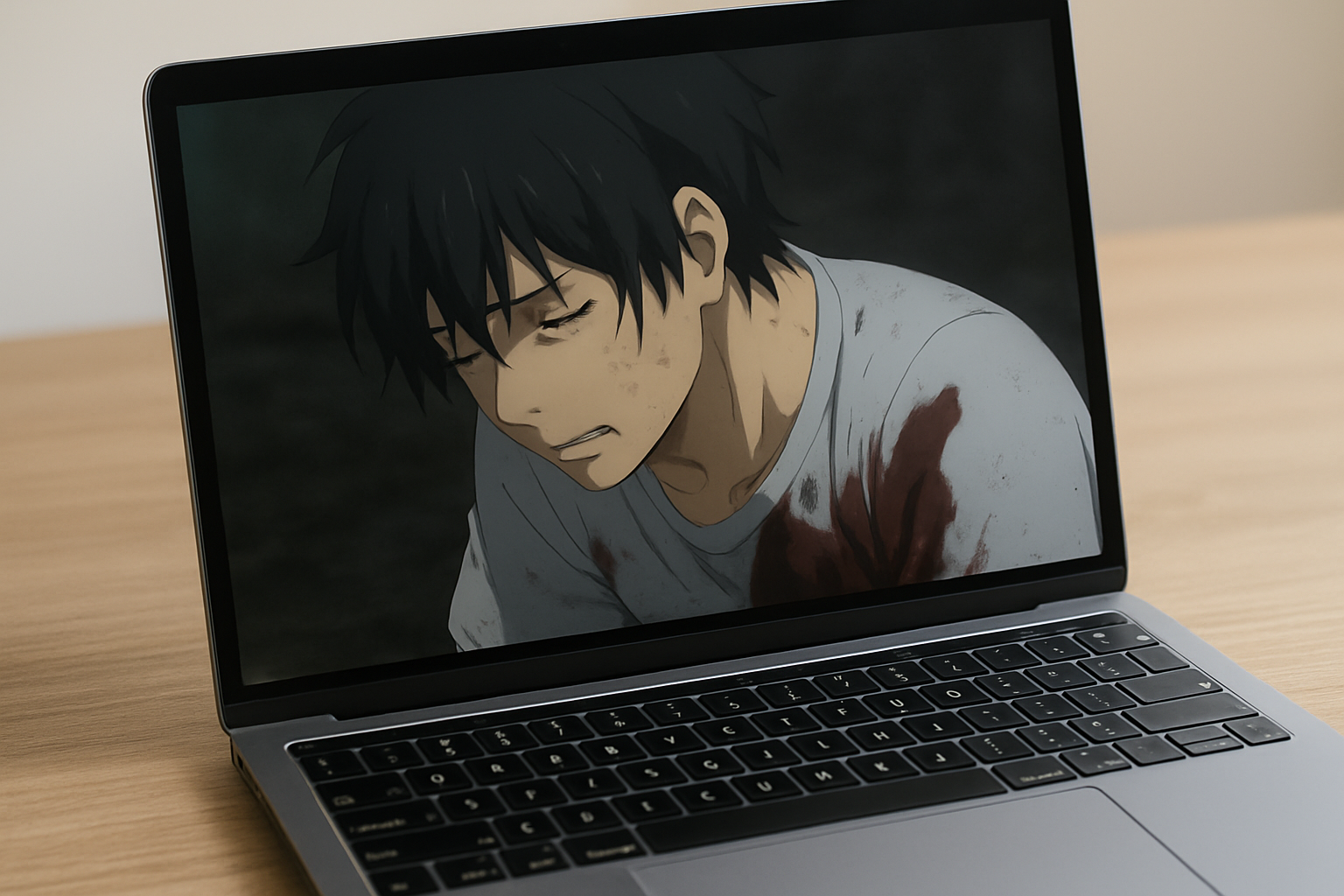
Death scenes in anime can be devastatingly effective when they tie together character development, relationships and sacrifice. This list looks at ten deaths that regularly rank among the saddest for fans, explaining why each resonated so strongly and how the loss affected the story and other characters. Spoilers follow.
1. Maes Hughes (Fullmetal Alchemist)
Maes Hughes’s death hits hard because of the contrast between his warm, joking personality and the sudden, brutal violence of his murder. He is the devoted family man who proudly shares photos and stories about his daughter; losing him exposes the human cost of the conspiracy at the heart of the plot. The scene’s emotional weight comes from characters’ visible grief and the stark reminder that no one is safe, which propels the protagonists into a darker, more determined path.
2. Jiraiya (Naruto)
Jiraiya’s end is poignant because he is more than a mentor—he is a flawed hero who chose to face a dangerous truth alone. His final stand and the way he communicates crucial information back to his village underscore themes of legacy and duty. The sadness comes from the sense of a mentor’s life closing with acceptance and the painful knowledge that his student must carry on without him, shaped by both his lessons and his loss.
3. Portgas D. Ace (One Piece)
Ace’s death is devastating for its combination of familial bonds, sacrifice and suddenness. His relationship with the protagonist and his tragic choices build to a moment where he gives everything to protect someone else, and that ultimate sacrifice reverberates through the story. The impact is intensified by the collective grief of many characters and by the way the loss forces major emotional and narrative shifts for the surviving cast.
4. L Lawliet (Death Note)
L’s death is striking because the world loses a brilliant, eccentric mind who represented moral ambiguity and intellectual struggle. He is a rare, complex foil to the protagonist, and his departure signals a dramatic change in the series’ moral landscape. The sadness stems from the sense of wasted potential and the abrupt end of a cat-and-mouse dynamic that had been central to the story.
5. Meiko “Menma” Honma (Anohana: The Flower We Saw That Day)
Menma’s death is the emotional core of a story about grief, guilt and the difficulty of letting go. Her presence as a memory—or lingering spirit—forces former friends to confront unresolved feelings. The sadness arises from how ordinary and pure her character is: she represents lost childhood and opportunities, and the series frames her death as the quiet wound that shaped a group of lives in different, painful ways.
6. Kaori Miyazono (Your Lie in April)
Kaori’s death resonates because it is entwined with themes of music, expression and the fragile beauty of life. Her energetic, free-spirited influence helps the protagonist rediscover his art and ability to feel, so her loss is not only personal but symbolic. The sorrow is compounded by the bittersweet nature of her role—she gives someone the gift of living fully even as she fades away.
7. Kamina (Tengen Toppa Gurren Lagann)
Kamina’s death is shocking partly because of the character’s larger-than-life bravado and confidence. He is the inspirational force who drives others to believe in themselves, so his fall is a powerful blow to morale. The sadness stems from the loss of an emblematic mentor whose faith in his friends had been a cornerstone of their rebellion; his death forces the group to internalize his spirit rather than rely on his presence.
8. Rem (Re:Zero − Starting Life in Another World)
Rem’s sacrifices and devotion make her loss particularly affecting. Her willingness to put herself in harm’s way and the depth of her emotional commitment to the protagonist create a heartbreaking contrast between devotion and the harsh realities of the story’s conflicts. The sadness is amplified by her role as someone who chooses selflessness, making the consequences of that choice feel very personal.
9. Lucy/Nyu (Elfen Lied)
The tragedy surrounding Lucy is complex: violence, trauma and moments of vulnerability are woven into her character arc. The emotional response to her death is rooted in the double life she leads—the savage and the innocent—so the ending feels like the loss of both potential and a damaged being finally finding a form of release. The series forces viewers to grapple with empathy for someone who has caused and suffered extreme things, making her loss layered and haunting.
10. Lelouch vi Britannia (Code Geass)
Lelouch’s death carries a heavy emotional charge because of the moral and strategic dimensions around it. He is a protagonist whose choices have shaped nations and relationships; his final act is framed as part of a larger plan to achieve peace, which complicates grief with questions of atonement and legacy. The sadness comes from the sense of finality—an ambitious, charismatic character who pays the ultimate price for his vision, leaving others to live with the consequences.
Why these deaths resonate
Several common factors make a fictional death particularly sad: strong personal relationships that make loss intimate; sacrifice that reframes a character’s actions as altruistic; abruptness or betrayal that gives no time for closure; and thematic resonance, where a character’s death underscores the story’s central ideas. When a death blends several of these elements, it becomes memorable not just for shock value but because it meaningfully alters the emotional landscape of the series.
How to approach sad moments as a viewer
Allowing yourself to feel the emotion is part of the experience—these scenes are crafted to connect with universal themes. If a death hits hard, discuss it with others, revisit earlier episodes to see how the loss reframes details, or explore companion materials and commentary to understand creators’ intent. If a scene feels overwhelming, it’s fine to step back: strong storytelling can be intense, and processing it gradually often reveals deeper layers.
Whatever your personal list looks like, these deaths illustrate how animation can explore grief, sacrifice and the human condition in ways that stay with viewers long after the credits roll.
Top 10 Best Anime Villains of All Time exploring how these antagonists shape the emotional impact of key moments and how their motivations illuminate the surrounding world.